
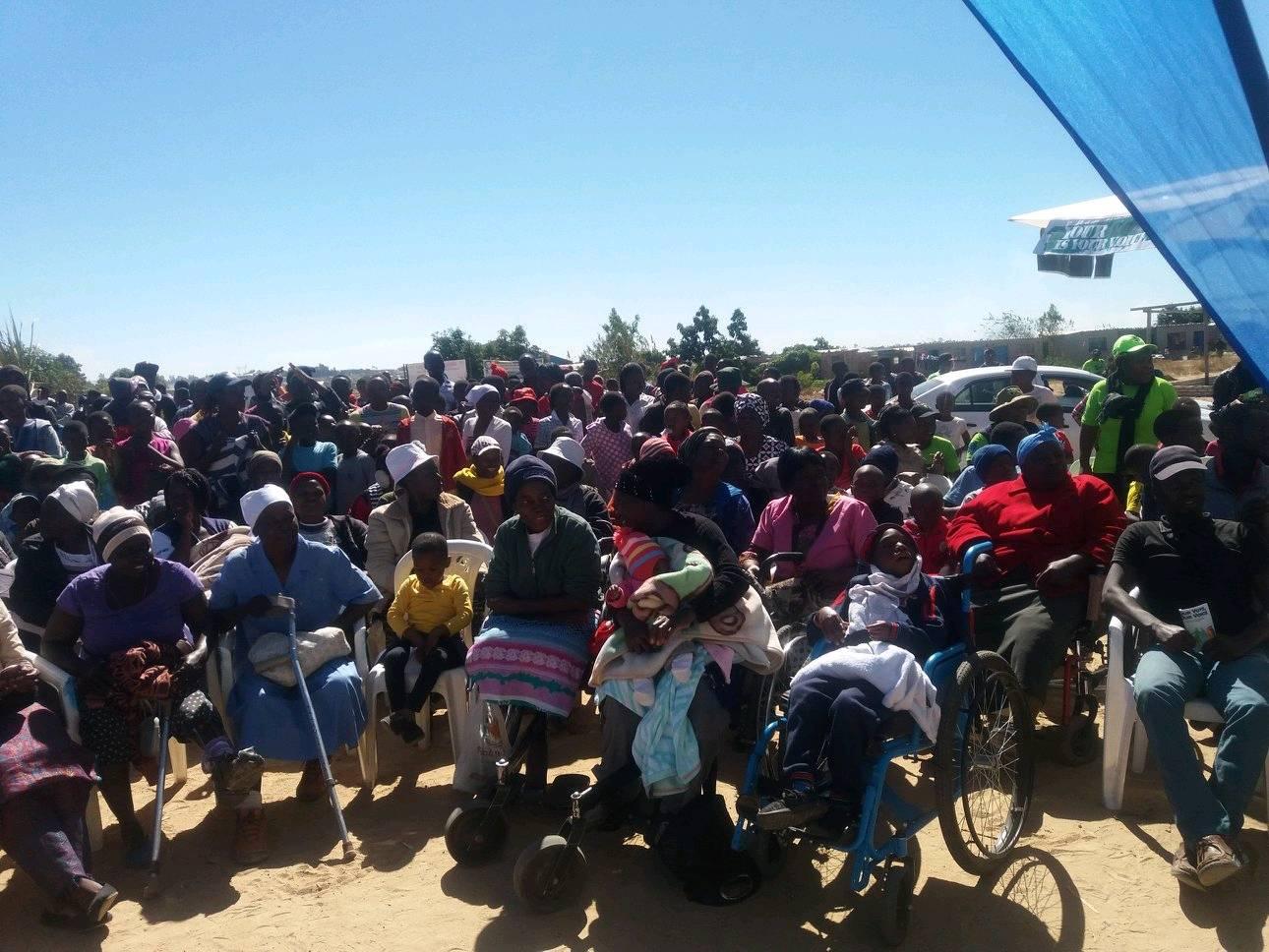
Zimbabwe’s disability legislation has undergone a profound evolution since the enactment of the Disabled Persons Act of 1992. While that Act was groundbreaking for its time—making Zimbabwe one of the first countries in Africa to have specific disability legislation—it was deeply rooted in a “welfare model.” This approach viewed people with disabilities as objects of state protection and medical care rather than active subjects with enforceable rights.
Today, the landscape is shifting. Current reforms, culminating in the Persons with Disabilities Act of 2025, represent a modern transition toward a social and human-rights-based model.
The Evolution of Rights: 1992 vs. Today
The journey from 1992 to the present reflects a fundamental change in how the state and society interact with the disability community.
| Feature | 1992 Disabled Persons Act | 2025 Persons with Disabilities Act |
|---|---|---|
| Primary Lens | Welfare and Charity | Human Rights and Dignity |
| Focus | Rehabilitation and “Care” | Inclusion and Participation |
| Accountability | Minimal enforcement | High institutional accountability |
| Digital Rights | Not addressed | Explicit digital accessibility standards |
ey Pillars of Modern Reform
The ongoing legislative transformation focuses on three critical pillars designed to bring Zimbabwe in line with the United Nations Convention on the Rights of Persons with Disabilities (CRPD):
- Human Rights and Dignity: Moving away from pity-based narratives. The law now recognizes that disability is a result of the interaction between persons with impairments and the barriers (attitudinal and environmental) that hinder their full participation.
- Equal Participation in Society: This ensures that participation is not “granted” as a favor, but protected as a right—whether in the voting booth, the classroom, or the boardroom.
- Institutional Accountability: New reforms place a legal obligation on both public and private institutions to provide reasonable accommodation. Failure to do so is increasingly recognized as a form of discrimination.
NASCOH: The Architect of Change
NASCOH has been instrumental in navigating this journey. By acting as the bridge between grassroots organizations and the government, NASCOH ensured that the 2021 National Disability Policy didn’t just sit on a shelf but was instead used as the blueprint for the 2025 Act.
Their advocacy focused on:
- Harmonization: Aligning local laws with the 2013 Constitution, which explicitly protects the rights of persons with disabilities.
- Consultation: Ensuring that “Nothing About Us Without Us” remained the guiding principle by bringing people with disabilities to the drafting table.
A Global Alignment
This evolution marks a critical step toward aligning Zimbabwe with global disability rights frameworks. By shifting from a welfare-focused past to a rights-focused future, the country is not just helping a specific group—it is strengthening the democratic fabric of the entire nation, ensuring that equality is a reality for every citizen.
