Creating a truly inclusive society is not a task for a single government department or a handful of NGOs; it requires a coordinated, multi-sectoral effort. The work of NASCOH demonstrates that meaningful change happens when grassroots engagement meets high-level policy reform.
In Zimbabwe, the transition toward full inclusion is built on the belief that a barrier-free society benefits everyone—not just people with disabilities.
The Three Pillars of Meaningful Change
For inclusion to be sustainable, it must be supported by three interconnected pillars:
- Engaged Communities: Inclusion starts at home and in local neighborhoods. By challenging long-standing stigmas and misconceptions, communities can transform from places of exclusion to environments of support and belonging.
- Inclusive Policies: Legal frameworks like the Persons with Disabilities Act of 2025 provide the necessary mandate for change. These policies ensure that accessibility and rights are not optional “best practices” but legal requirements.
- Organizational Collaboration: When the private sector, government agencies, and civil society work together, they close the gaps in service delivery—ensuring that a student with a disability has not only the right to go to school but also the transport to get there and the technology to learn.
NASCOH’s Impact at the Grassroots Level
With its extensive network of member organizations spanning across Zimbabwe, NASCOH remains the driving force behind this societal shift. Their work is categorized by three continuous areas of action:
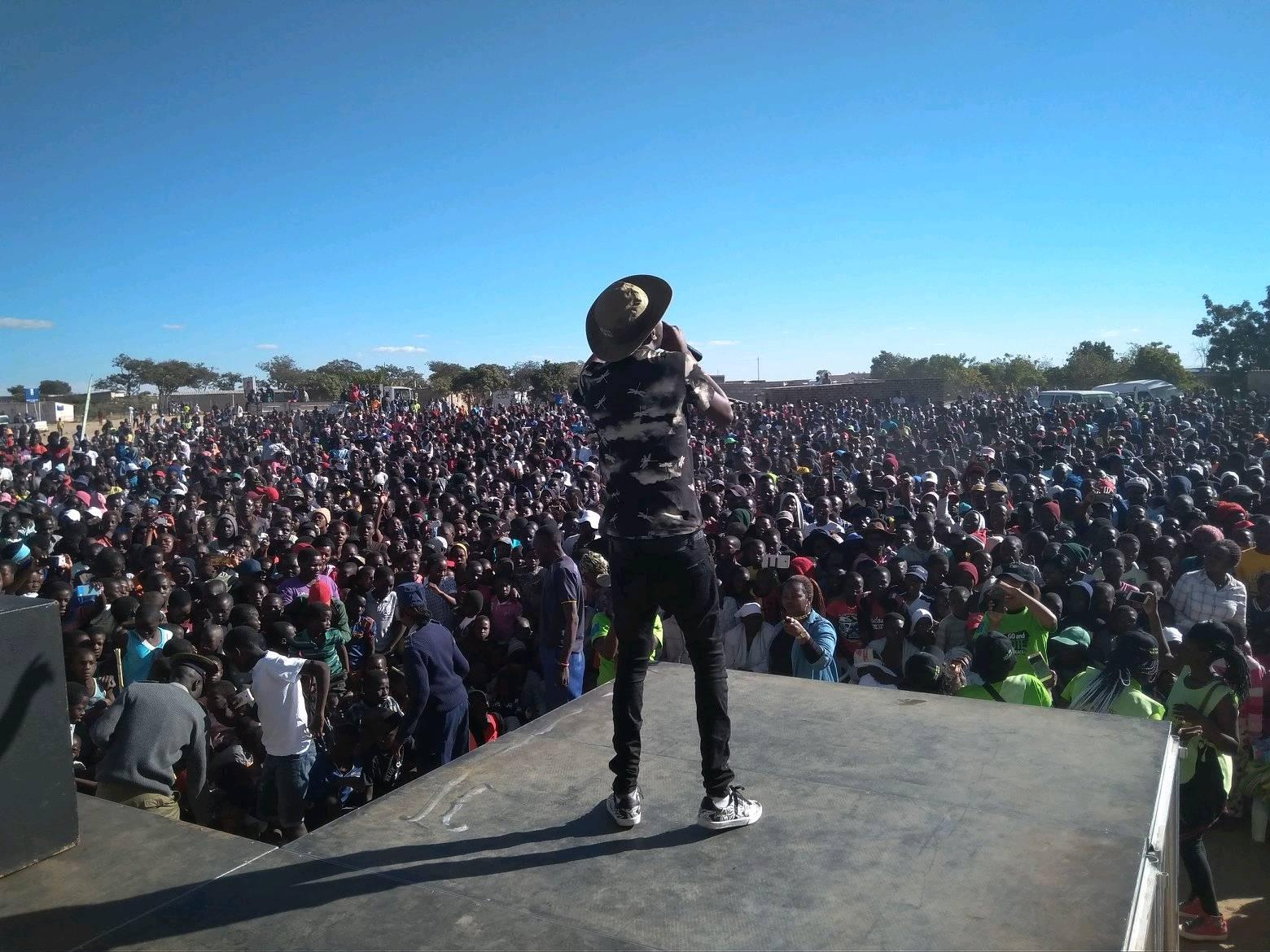
- Raising Awareness: Using media, workshops, and community forums to educate the public on disability rights, moving the conversation from “charity” to “equality.”
- Grassroots Promotion: Empowering local disability groups in rural and urban areas to advocate for their own needs, ensuring that rural voices are heard in Harare.
- Direct Individual Support: Facilitating access to assistive devices, vocational training, and legal support for individuals, helping them navigate the complexities of the new legislative landscape.
A Shared Vision for 2026 and Beyond
The vision for Zimbabwe is clear: a society where every person, regardless of ability, can participate fully and equally in the economic, social, and political life of the nation.
As we look toward the future, the focus remains on implementation. We have the policies and the advocacy frameworks in place; the next step is for every citizen and business to ask how they can contribute to a more accessible Zimbabwe. Whether it is through inclusive hiring, accessible digital content, or simply fostering a culture of respect, we all have a role to play in building this inclusive future.
Together, we are moving from a history of exclusion to a future of unlimited potential.
